
How the House v. NCAA Settlement Conflicts with F-1 Visa Rules
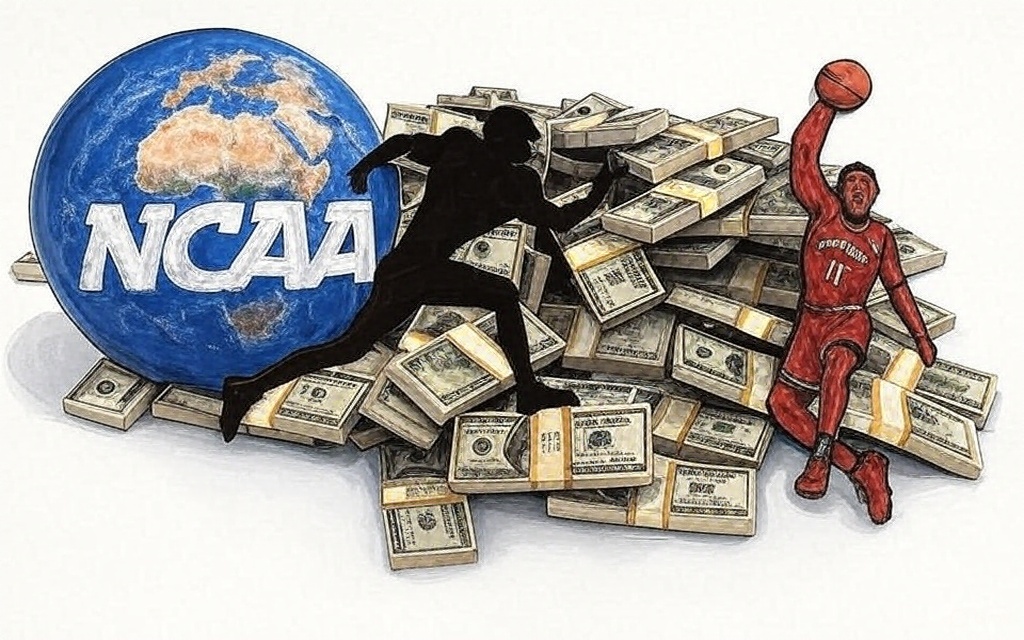
With the landmark House v. NCAA settlement set to revolutionize college sports by allowing direct compensation to student-athletes starting July 1, 2025, a critical issue remains largely overlooked: international student-athletes on F-1 visas are still ineligible to receive NIL compensation under current U.S. immigration laws.
What Did the House v. NCAA Settlement Change?
- On June 6, 2025, a historic $2.8 billion antitrust settlement was approved, enabling NCAA member schools to pay student-athletes directly—up to $20.5 million per school per year.
- The agreement includes fair market value reviews for NIL deals over $600, often conducted by third-party evaluators, such as Deloitte.
Why International Student-Athletes Are Largely Excluded
- Under U.S. immigration law, anyone earning income in the U.S. must have proper work authorization.
- Most foreign student-athletes hold F-1 student visas, which prohibit off-campus employment, including NIL-related work or direct compensation from universities, unless specific exceptions like Curricular Practical Training (CPT) or Optional Practical Training (OPT) apply.
- Although NIL income isn’t classified as traditional wages, immigration regulations broadly define “employment”, and violations can lead to serious consequences—including visa revocation, removal proceedings, and bars on reentry.
Limited Visa Options: O-1A and P-1A for Elite Athletes
- A small subset of international student-athletes may qualify for O-1A visas (for individuals with extraordinary ability) or P-1A visas (for internationally recognized athletes).
- These visas may offer greater flexibility for NIL-related activities, but the eligibility standards are high and not broadly accessible. Still, each international athlete may want to explore whether they are eligible for it.
Why Colleges and Universities Must Pay Attention
- The House v. NCAA ruling doesn’t just affect student-athletes—it also creates significant immigration compliance risks for institutions.
- Schools may face exposure to:
- Unintentional visa violations
- Loss of federal funding
- National origin discrimination claims if NIL opportunities are offered unequally or without proper legal oversight.
Foresight of the Issue
In 2016, Associate Attorney Josh Wildes explored this exact issue, theorizing what might happen if college athletes were ever allowed to be paid, and how it would be effected by immigration law. At the time, it was a hypothetical. Today, it’s a legal reality—one that still fails to address the immigration limitations for foreign athletes.
As Josh wrote nearly a decade ago:
“While there is an alphabet soup of visas available for individuals coming from abroad, as of now, there is no visa, specifically dedicated to the student athlete, that would allow for compensation in exchange for their brains and their might. However, should the conversation about students getting paid continue, it would be wise for foreign individuals, schools, organizations, policy makers, and professionals to begin considering what type of visa would be required for a foreign student-athlete.”
Key Takeaway: NIL Policy Must Include Immigration Law Considerations
The House v. NCAA settlement marks a transformational moment in collegiate athletics, but until U.S. immigration laws are reformed to align with the new NIL landscape, international student-athletes remain at a legal disadvantage.
Universities and athletic departments must implement proactive compliance strategies—including partnerships with experienced immigration counsel—to ensure NIL opportunities are extended fairly, without compromising visa status or institutional integrity.
 If you have questions or concerns about how this legal shift may impact international students or NIL immigration law in general, or if you’re a student-athlete seeking guidance on visa options and looking for an NIL Immigration Lawyer, please contact Associate Attorney Josh Wildes at josh@wildeslaw.com.
*Posted by Josh Wildes on July 30, 2025, and may not be updated, as there is ongoing litigation.