October 30, 2025
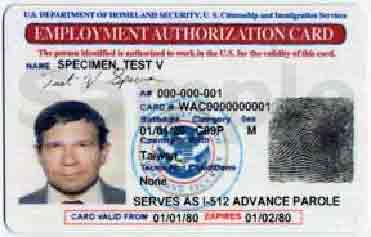
The Department of Homeland Security (DHS) has announced an important policy change that will affect thousands of foreign nationals and their employers: beginning October 30, 2025, automatic extensions of employment authorization (via the Employment Authorization Document, or EAD) will no longer apply for many renewal applications.
Here’s a comprehensive breakdown of what’s changing, who is impacted, and what you should do next — whether you are an individual applying for a renewal, or an employer relying on the authorization of a foreign-national employee.
What’s Changing
Previously, certain EAD renewal applicants could continue working for up to 540 days beyond the “Card Expires” date on their EAD — as long as their renewal Form I-765 had been filed timely and the category qualified for automatic extension.
Under the new interim rule:
- For renewal applications filed on or after October 30, 2025, the automatic extension of employment authorization (and/or EAD validity) ends.
- If you file for a renewal on or after that date, once your current EAD expires you will no longer be able to rely on a receipt notice plus your expired EAD to continue working. The renewal must be approved and the new EAD issued before employment authorization continues.
- The rule is effective immediately upon publication of the interim final rule — no retroactive effect. If your renewal was filed before October 30, 2025, the prior automatic‐extension regime remains in effect for you.
Who Is Affected
This change impacts many employment-authorization categories that previously benefited from automatic extensions while renewal applications were pending. Affected groups include:
- Applicants in asylum‐ or refugee‐related categories.
- Adjustment-of-status applicants (i.e., I-485 pending).
- Spouses of certain nonimmigrant visa holders (for example, certain H, L, or E visa holder spouses) who rely on EADs.
- Beneficiaries of other discretionary employment authorization categories (such as cancellation/suspension of removal, withholding of removal, etc.).
Why This Matters
For individuals: the elimination of automatic EAD extensions means a higher risk of gaps in work authorization. If you file a renewal on or after October 30, 2025, and your current EAD expires while USCIS still has your renewal pending, you may not legally work after the expiration date. In short: your work authorization hinges on receiving the new card.
For employers: this change has compliance implications for Form I-9 verification, as you can no longer rely on an expired EAD plus a receipt notice (for renewals filed on or after the effective date) as evidence of continued employment eligibility. You must verify that the employee presents valid, unexpired work-authorization documentation once the old card expires.
From a policy perspective: DHS states that ending automatic extensions will strengthen screening, national security, and prevent situations where employment authorization extends without full adjudication of the renewal. Critics, however, believe this will harm many industries and families, as it will affect the legal work authorization of so many individuals that are already employed.
What To Do Now
For individuals:
- File early. USCIS recommends filing a renewal up to 180 days before your current EAD expires. While early filing does not eliminate all risk of a gap, as they may take more than 180 days to adjudicate the renewal, it reduces exposure.
- Track your case. Monitor your USCIS account or receipt notice for updates and stay alert to any changes in processing times.
- Avoid working once your EAD expires (if renewal filed on/after Oct. 30, 2025) until the new card is issued. Failure to cease working may jeopardize immigration status or future benefits.
- Seek legal guidance. Because of the change, planning ahead is more important than ever, especially for applicants in categories affected by the end of automatic extensions.
For employers:
- Audit your workforce. Identify employees working under EADs, note their expiration dates and renewal filing status.
- Update I-9 procedures. For renewals filed on/after October 30, 2025, do not accept an expired EAD plus a receipt notice as proof of work authorization. Instead, require valid current documentation.
- Communicate with employees. Encourage them to alert HR of upcoming expiration dates, and collaborate to minimize disruption.
- Plan for coverage. Understand that some employees may face work-authorization gaps; develop contingency plans accordingly.
Looking Ahead
This policy change marks a fundamental shift away from an automatic “safety net” for many renewal applicants. While the 540-day automatic extension period previously offered some buffer during processing delays, its elimination underscores greater risk of interruption unless proactive measures are taken.
Immigration attorneys and HR professionals should stay alert for additional guidance or Federal Register notices that may carve out further exceptions or clarifications (especially for categories such as TPS).
Final Thoughts
If you or your business rely on an EAD renewal in one of the categories impacted by this change, now is the time to act. Oversight of filing deadlines, renewal strategy, and internal verification practices will be essential to avoid unintended work authorization lapses or employment eligibility issues.
As always, this summary is for general informational purposes only and does not constitute legal advice. Every case is different. Please contact our office at josh@wildeslaw.com for a tailored review of your specific situation. This is also an ongoing situation, may be subject to litigation, and is not updated.