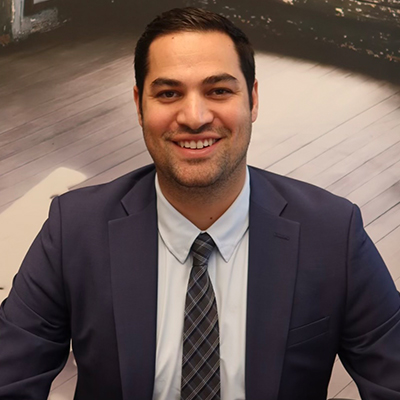
Josh Wildes, immigration lawyer at Wildes & Weinberg, P.C., was recently quoted in Higher Ed Dive discussing the potential effects of the proposed $100,000 H-1B visa fee and how it could impact universities and higher education institutions across the United States.
In the article, Josh Wildes explains that U.S. Citizenship and Immigration Services (USCIS) announced in October that the fee would not apply to individuals already in the U.S. requesting a change of status:
“That means that students on F-1 and J-1 visas may not be subject to the fee if they are in the U.S. and are seeking to switch to H-1B status,” Wildes said. “However, they would have to stay within the U.S. until they secure H-1B status to avoid incurring the fee.”
Josh Wildes also noted that this proposed fee could pose challenges for institutions of all sizes:
“No institution wants to pay the fee, regardless of how small or big you are,” Wildes said. “The smaller ones that don’t have the funds, they simply cannot afford it. The bigger ones that do have the funds, they don’t want to do it because it’s a lot of money.”
For colleges and universities seeking to sponsor foreign workers through the national interest exception, Josh Wildes emphasized the importance of preparation and strategy:
“Universities need to plan ahead to make those arguments to show that the people that they want to hire are eligible for that exception,” he said. “You might only get one bite at the apple. Putting together an argument that a foreign worker’s presence in the U.S. is deemed in the national interest is difficult.”
As Josh Wildes highlighted, legal expertise and early planning are critical for institutions looking to navigate these evolving immigration regulations.
Read the full article here, and consider watching our podcast episode from The Wildes Files that covers the $100,000 H-1B fee here.
For any questions or comments, feel free to email Josh at josh@wildeslaw.com.