August 13, 2026
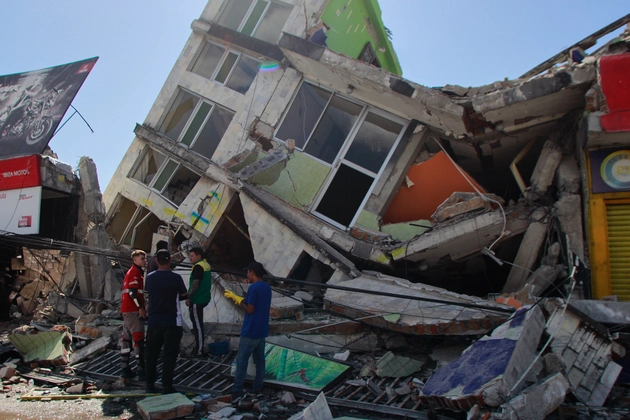
The devastating earthquake that struck western Colombia on August 10 has left families grieving, thousands injured or displaced, and communities facing extensive damage to homes and critical infrastructure.
For Colombians with family, professional or other connections to the United States, the disaster may also raise an urgent question:
Are there legal options to temporarily come to or remain in the United States during this humanitarian crisis?
There is currently no automatic U.S. humanitarian visa or Temporary Protected Status (TPS) designation for Colombians based on the earthquake. However, depending upon an individual’s circumstances, other immigration or humanitarian options may be available.
Humanitarian Parole
In certain urgent circumstances, U.S. immigration authorities may grant humanitarian parole on a case-by-case basis to an individual who would not otherwise have a standard pathway to enter the United States.
Humanitarian parole is discretionary and is generally reserved for situations involving urgent humanitarian reasons or significant public benefit. The existence of a natural disaster alone does not guarantee approval.
Other Immigration Options
Depending upon an individual’s circumstances, Colombians affected by the crisis may also want to explore whether they qualify through:
- Family-based immigration
- Employment-based visas
- Extraordinary ability or professional visas
- Student or other temporary visa classifications
- Asylum or other humanitarian protections when the applicable legal requirements are independently met
Every case is different, and a humanitarian emergency does not automatically create eligibility for a U.S. immigration benefit.
Know Your Options Before You Act
For more than 60 years, Wildes & Weinberg, P.C. has helped individuals and families navigate the U.S. immigration system during moments of opportunity, uncertainty and crisis.
If you or a family member in Colombia has been affected by the earthquake and has questions about legally entering or remaining in the United States, our immigration attorneys can review your individual circumstances and help determine what options may be available.
Contact Wildes & Weinberg to schedule an immigration consultation.
This information is provided for general informational purposes and does not constitute legal advice. Immigration eligibility depends upon the facts and circumstances of each individual case.