
Participation in Major Esports Events
Esports events, gaming fairs, tournaments, and other activities are frequently held in the United States. Visa options can provide an opportunity to participate.
The esports industry has grown into a global professional ecosystem that includes competitive gamers, streamers, coaches, analysts, team managers, content creators, and tournament organizations.
As international talent increasingly collaborates across borders, immigration considerations have become an essential part of building successful esports careers and businesses in the United States.
Professional gamers and esports organizations often face unique immigration challenges. Tournament participation, sponsorship obligations, streaming partnerships, team contracts, brand collaborations, and employment opportunities may all require careful immigration planning to ensure compliance with U.S. immigration laws.
AtWildes & Weinberg, P.C., our attorneys understand the evolving nature of the esports landscape and work with talented individuals and organizations seeking U.S. immigration solutions aligned with their professional goals.
The esports world is not just competitive players sitting in front of monitors. The industry has built an entire supporting ecosystem around them.
We work with:
Some clients need short-term authorization for a specific tournament or collaboration. Others are thinking years ahead about how to build a permanent career in the United States. The starting point looks different for everyone, and the strategy should reflect that.

One of the first questions many professionals ask concerns the availability of an “esports visa.” In reality, there is no specific U.S. immigration category formally designated as an esports visa.
What exists instead is a collection of pathways that esports professionals can access, depending on their background, accomplishments, and what they plan to do in the United States.
The two most common visa pathways for esports professionals are the O-1 and P-1 visas.
The O-1 visa covers individuals with extraordinary ability in their field. For professionals with significant industry recognition, documented sponsorships, substantial audiences, and high earnings, this category is worth exploring seriously.
The P-1 visa is tailored for internationally recognized athletes and is used to allow a potential beneficiary to enter the U.S. to participate in a recognized competition, event, or season. This is a good and suitable route for those who have achieved that sort of international recognition as an esports athlete.
Coaches, trainers, and support staff who are essential to a principal P-1 athlete may also qualify for a P-1S visa, allowing them to accompany and support the team in the United States.
Other categories may apply depending on the individual situation. The right path is not something that can be determined from a checklist. It requires looking at the full picture of someone’s career and matching that against what the law actually allows.
Factors that tend to matter most include:
Traditional immigration frameworks were built around traditional professions. A surgeon, an engineer, and an executive; their credentials translate clearly into the language immigration law was designed to evaluate.
A professional streamer with many millions of subscribers, a global sponsorship portfolio, and multiple tournament placements does not fit neatly into that same framework. The achievements are real and significant, but they require someone who understands how to translate them into a compelling legal argument rather than assuming the system will figure it out on its own.
Wildes and Weinberg P.C., the team has spent decades representing accomplished individuals across entertainment, sports, business, and emerging industries, and we understand the esports ecosystem. In fact, Josh Wildes grew up as a gamer and has spent many years networking within the industry.
We are used to building cases for people whose careers do not follow conventional paths. Esports professionals fit into that same space, and we approach their cases with the same level of care and strategic thinking.
Qualification depends entirely on the visa category being pursued and what the applicant can document. There is no universal threshold, and no two cases reach the same conclusion by the same route.
That said, strong applications in the esports space frequently involve some combination of the following:
The strength of a case is not just about what someone has accomplished. It is equally about how those accomplishments are documented, framed, and presented in a way that satisfies legal standards.

There is a chance that immigration opportunities to the United States may provide gamers with broader possibilities for career development.
These could include the following advantages:
Esports events, gaming fairs, tournaments, and other activities are frequently held in the United States. Visa options can provide an opportunity to participate.
Various organizations, gaming brands, and production studios can cooperate with gamers from the United States. They may be interested in employing immigrants in the country.
Gamers, streamers, influencers, and content creators may seek cooperation with various agencies, sponsors, organizations, esports teams, and even TV channels in the U.S.
Immigration planning can help professionals pursue opportunities while minimizing unnecessary disruptions to their careers.
No two matters follow exactly the same path, but most esports immigration cases move through several recognizable phases.
Understanding the full picture- Before any strategy is developed, we need to understand who the client is, what they have done, what they are trying to do, and what documentation exists to support the case.
Pulling the evidence together- This can involve tournament records, contracts, sponsorship agreements, media articles, streaming data, ranking information, audience metrics, etc. Building this record takes time and careful judgment about what actually strengthens the petition.
Building the legal argument- An immigration petition is not a resume submission. It is a legal submission that has to make a specific argument in a specific way. The quality of that argument matters significantly.
Submission and review- Once filed, the relevant government agency reviews everything. Processing timelines vary considerably depending on the visa category and case complexity.
Planning beyond the initial visa- Career circumstances change. Extensions, modifications, and alternative pathways may become relevant as a client’s professional situation evolves. Thinking about those possibilities early tends to make things smoother later.
Wildes & Weinberg P.C. has a long-standing reputation in immigration law and extensive experience representing accomplished individuals across diverse industries.
We realize that esports career paths can be unlike any other profession out there. Competitive ranking, streaming accomplishments, brand relationships, online influence, and even tournament participation can all play roles in developing an individual’s professional history.
We cooperate with our clients in creating immigration policies based on their achievements and ambitions. Clients benefit from:
Our attorneys recognize the importance of helping talented professionals pursue opportunities while navigating immigration requirements with clarity and confidence.

The attorney someone chooses for an esports immigration matter should ideally bring a few specific things to the table.
Familiarity with talent-based immigration categories is important because esports cases frequently overlap with pathways used for athletes, entertainers, and individuals recognized for extraordinary ability in their field.
Understanding of how the esports industry actually works is equally valuable. An attorney who does not know the difference between a tournament circuit and a streaming platform is going to struggle to present a client’s achievements in a way that resonates.
Beyond that, the ability to build a persuasive evidentiary record and communicate clearly with clients throughout a process that can feel opaque and slow is something that genuinely matters.

Some of our Esports and Gaming Clients have included:
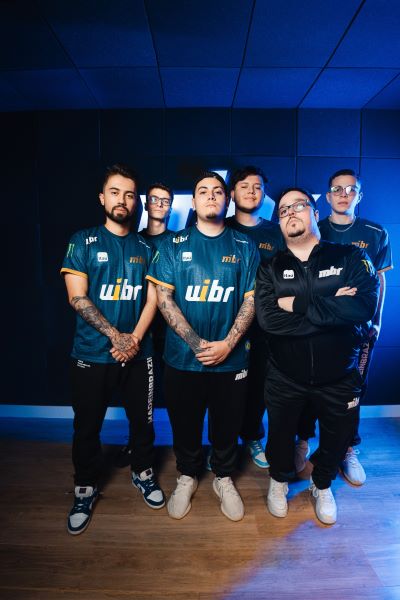
Organizations/Teams, such as Minnesota ROKKR (Call of Duty), Team MIBR (Valorant), Gaimin Gladiators (Dota 2), Immortals (League of Legends), Jagex (Old School RuneScape), Version 1 (Valorant Game Changes), and more.
Athletes, such as Tristan “PowerOfEvil” Schrage, Jason “WildTurtle” Tran, Donggeun “IgNar” Lee, Marcus “Afro” Reid, Cameron “Cammy” McKilligan, Erik “TOfu” Engel, and more.
Content Creators, such as Dimucc, Alinity Divine, Dina Belenkaya, Natarsha, JustaMinx, and more.
For a full list of some of our Notable Clients, clickhere.
Yes, but it depends on what they have accomplished and what they are planning to do. While eligibility is determined on a case-by-case basis, many professionals within the esports industry may qualify for one or more U.S. immigration pathways depending on their accomplishments, experience, and professional profile.
Some are eligible, while some are not. The analysis takes into account audience size, sponsoring activity, media recognition and general standing in the profession.
Yes, under certain situations. The details vary according to the type of immigration category and the relationship between the organization and the person.
It varies considerably. Visa type, case complexity, and government processing times all play a role. Getting a realistic timeline requires looking at the specifics of an individual situation.
Completely. Discretion is a standard part of how we work, particularly with clients in entertainment, sports, and digital industries.
Whether you are a competitive player, a streamer, a coach, a commentator, or an organization trying to bring international talent into the U.S. market, immigration planning is worth taking seriously before problems arise rather than after.
The attorneys at Wildes and Weinberg P.C. are available to review your situation, assess potential pathways, and help you build a strategy that reflects where your career is actually headed.